
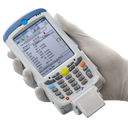

In Stock
Product code: Siemens-Epoc-R
MPN: 10736398
Manufacturer: Siemens Healthineers
Shipping Weight: 40.00lbs (18.14kg)

Free, Simple Tactics to Lower Your Cost Per Test
Get the free guide that shows exactly how to reduce your cost per test using 35 proven tactics, or use the free, fast cost-per-test reduction planner to build a simple, personalized action plan with tactics your lab can implement to reduce wasted budget this year.
The Siemens EPOC Blood Analysis System is a Block Scientific Center of Excellence instrument
3 out of 4 clinical laboratories worldwide run one of the analyzers in our Center of Excellence program. The Siemens EPOC Blood Analysis System is one of them. We are the world's leading support infrastructure for labs using, and looking to use, this analyzer.


Your budget goes further
Save up to 40-50% on equipment costs versus new

Proven instruments, not experiments
These analyzers have processed billions of samples worldwide

Service at half the cost
Service contracts at up to 30% less than OEM pricing

Reagents at fair prices
Reagent pricing up to 20% below what you're paying now

Complete lifecycle support
Complete lifecycle support
Free, Simple Tactics to Lower Your Cost Per Test
Get the free guide that shows exactly how to reduce your cost per test using 35 proven tactics, or use the free, fast cost-per-test reduction planner to build a simple, personalized action plan with tactics your lab can implement to reduce wasted budget this year.
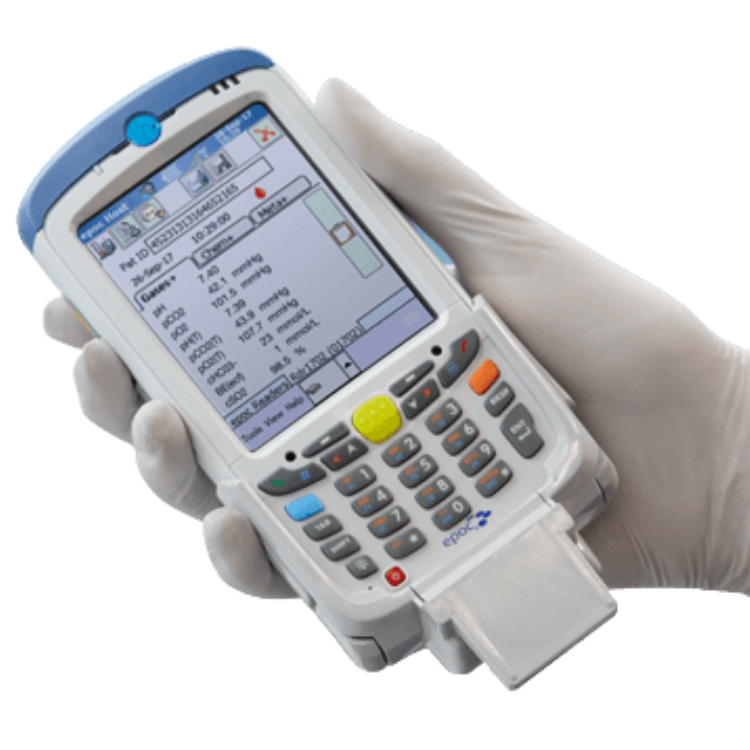
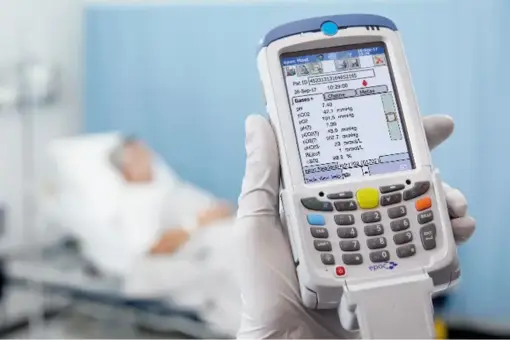
Get bedside blood gas results in under a minute - for a fraction of what the new EPOC NXS costs. Same test cards. Same accuracy. Different price tag.
*includes epoc® Reader 10736398 and Host2 Motorola 10736387
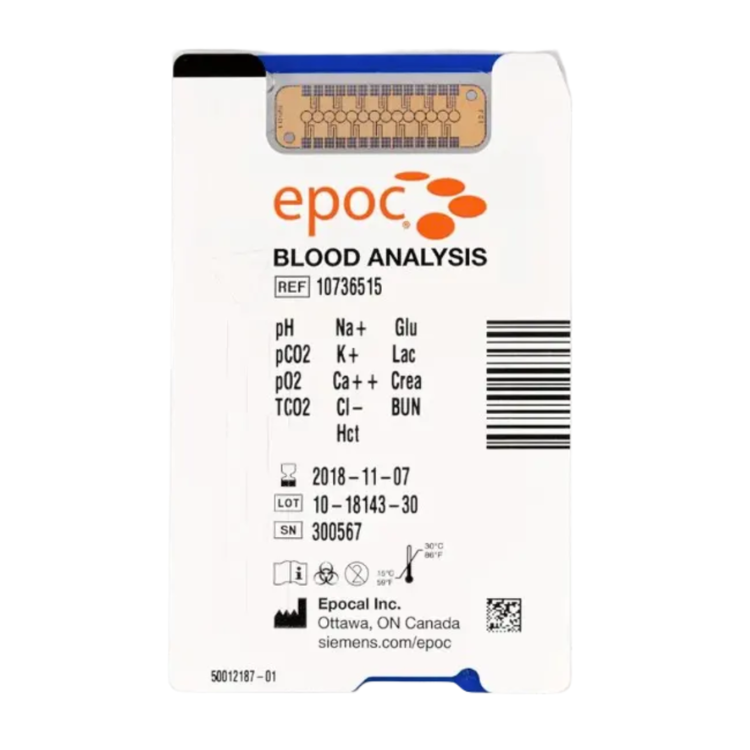
The Siemens EPOC delivers 13 analytes from a single test card right at the patient's bedside. Blood gases, electrolytes, metabolites, and hematocrit - all in less than 60 seconds after sample introduction. No sending samples to the lab. No waiting. No transcription errors.
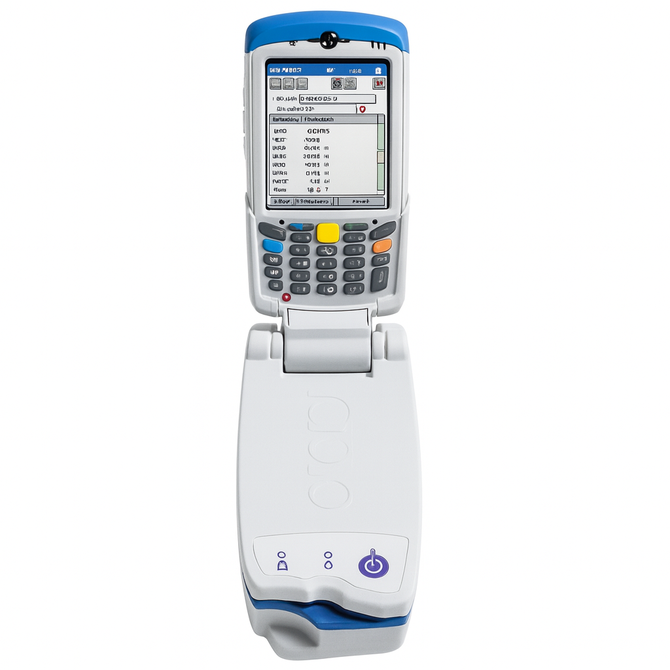
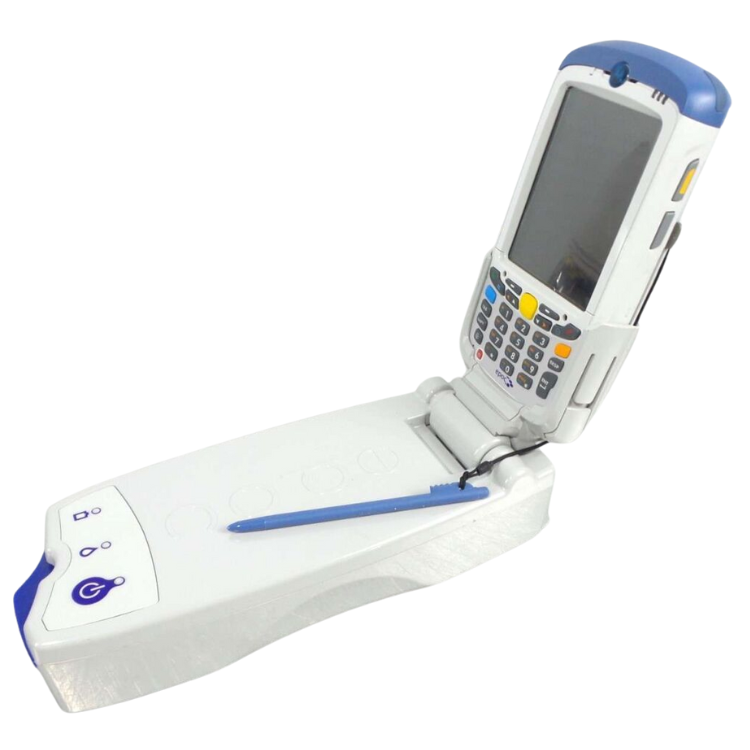
The original EPOC uses the same Reader and the same BGEM Test Cards as the newer NXS model. The only difference is the handheld Host computer. Your clinical results are identical. Your budget impact is not.
Why labs choose refurbished EPOC systems from Block Scientific:

Cut equipment costs significantly
Same clinical capability, fraction of the investment.

Test cards ship from US inventory
No waiting weeks for consumables.

Service that costs up to 50% less
Local technicians who know these systems.

Trade in your old blood gas analyzer
Your i-STAT or benchtop unit has value.

90-day to 1-year warranty
Full protection on every refurbished system.
Siemens EPOC specifications that matter
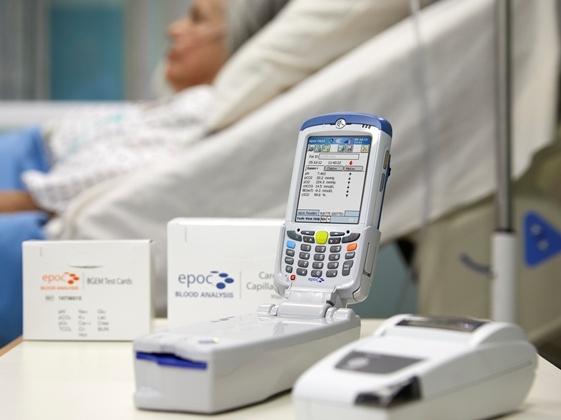
The EPOC system has three components: a handheld Host computer, a wireless Reader that performs the analysis, and single-use BGEM Test Cards. The Reader handles all the electrochemistry. The Host displays results and transmits them to your HIS/EMR. Simple.
Core performance metrics
What sets the EPOC apart from benchtop blood gas analyzers
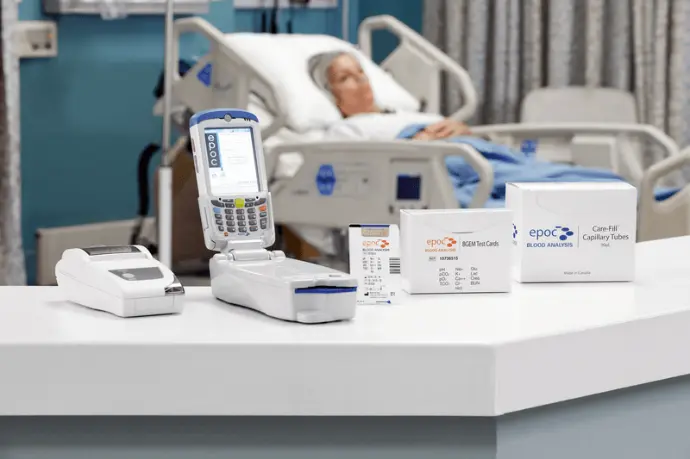
True point-of-care means results where the patient is.
Benchtop analyzers live in the lab. The EPOC lives wherever you need it - the ICU bed, the trauma bay, the OR table. When a ventilator adjustment can't wait for transport time, the EPOC eliminates that delay entirely. Your respiratory therapist gets the pCO2 they need while still standing at the bedside.

Room temperature card storage changes your workflow.
Competing POC systems require refrigerated cartridges, temperature logs, and equilibration time before use. EPOC cards store at room temperature with up to 5 months shelf life. Stock them in the unit, the crash cart, or the transport bag. No cold chain. No waiting for cards to warm up. No expired inventory from temperature excursions.
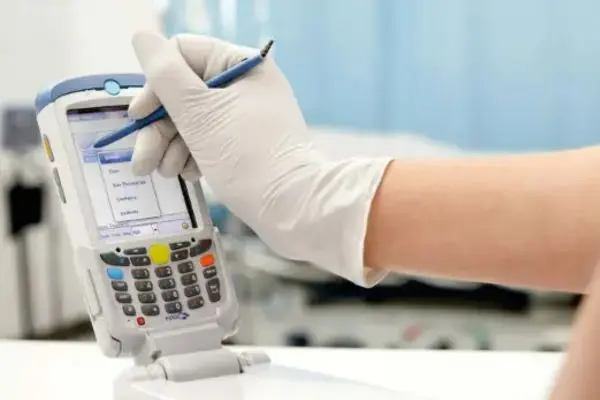
Wireless connectivity eliminates the docking station bottleneck.
Results transmit directly to your EMR via Wi-Fi the moment testing completes. No walking back to a docking station. No manual transcription. No delays between result and documentation. When you're managing a crashing patient, that's one less thing to think about.
Complete test menu from a single card
The BGEM Test Card delivers 13 measured analytes plus calculated values - everything you need for blood gas and metabolic assessment on one card. No choosing between cartridge types. No running multiple tests.
Measured analytes
Blood gases: pH, pCO2, pO2
Electrolytes: Sodium, potassium, chloride, ionized calcium
Metabolites: Glucose, lactate, BUN, creatinine
Hematology: Hematocrit
Calculated values
The system automatically calculates: bicarbonate, total CO2, base excess, oxygen saturation, hemoglobin, anion gap, and eGFR (using CKD-EPI equation).
That's a comprehensive metabolic and respiratory picture from 92 microliters of blood in under a minute.
EPOC test cards at fair prices
Your analyzer purchase happens once. Your test card purchases happen every day. That's why consumable pricing matters more than equipment cost for long-term budgeting.
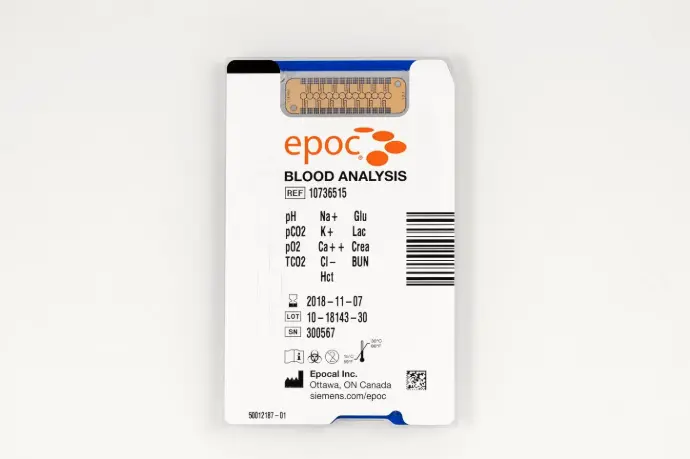
Block Scientific test card advantage
We supply EPOC BGEM Test Cards at prices that protect your margins:
Same Siemens cards, lower price
Ships from US inventory in days
No minimum orders after your first purchase
Standing order programs to prevent stockouts
The math that matters: A busy ICU running 30 blood gases daily spends significant money on test cards annually. Even modest savings per card add up to thousands back in your budget every year.
Original EPOC vs EPOC NXS - is the upgrade worth it?
Here's what nobody selling you new equipment will admit: the original EPOC and the NXS use the same Reader and the same Test Cards. The analytical engine is identical. Your clinical results are identical.
The only difference is the Host - the handheld computer that displays results and handles connectivity.
When the original EPOC makes sense
The original EPOC is the right choice when your priority is clinical capability at a manageable cost. If your IT department can work with Windows Mobile 6.5, and you don't need the latest Android interface, you're paying a premium for features that don't change patient care.
Budget-constrained facilities, backup devices, satellite locations, and research applications all benefit from the original EPOC's value proposition.
When you might consider the NXS
If your organization has strict policies requiring current operating systems for network security, or you're building new infrastructure and want manufacturer support for the Host hardware, the NXS may be worth the premium. But understand what you're paying for - it's the computer interface, not the clinical capability.
Siemens EPOC vs Abbott i-STAT - different tools for different needs
We sell both the EPOC and the i-STAT because they serve different purposes. Neither is universally better. The right choice depends on what you're trying to accomplish.
Choose EPOC when
Your primary need is blood gas and metabolic testing. You want all analytes on a single card without choosing cartridge types. Refrigeration logistics are a burden in your setting. Real-time wireless EMR integration is a priority.
Choose i-STAT when
You need cardiac markers or coagulation testing at the point of care. Minimal sample volume is critical for neonatal patients. You already have established i-STAT infrastructure and training.
Which facilities benefit most from the EPOC system?
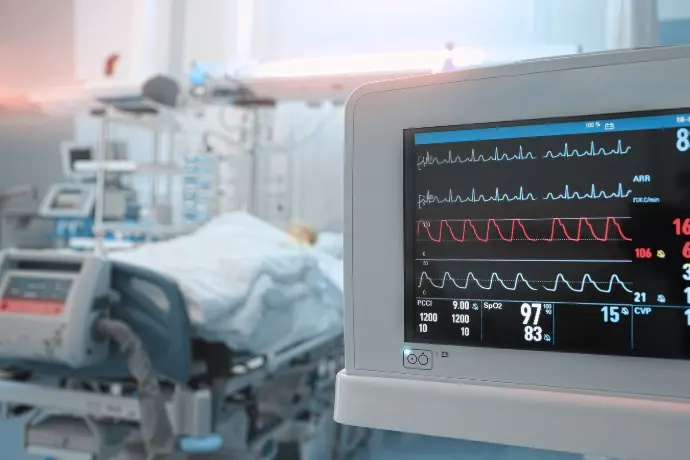
Intensive care units
ICU patients need serial blood gas monitoring every few hours for ventilator management, sepsis protocols, and electrolyte surveillance. The EPOC's sub-minute results enable real-time ventilator adjustments without waiting for lab turnaround. Lactate trending for sepsis protocols happens at the bedside, not after transport delays. Published data shows facilities using POC lactate monitoring have significantly improved sepsis outcomes.

Emergency departments
Triage decisions and metabolic emergencies can't wait for central lab results. Studies show POC blood gases enable treatment decisions 20+ minutes faster than sending samples to the lab. For stroke thrombolysis windows, DKA management, and trauma resuscitation, those minutes matter. The EPOC's wireless transmission means results hit the chart the moment they're available.
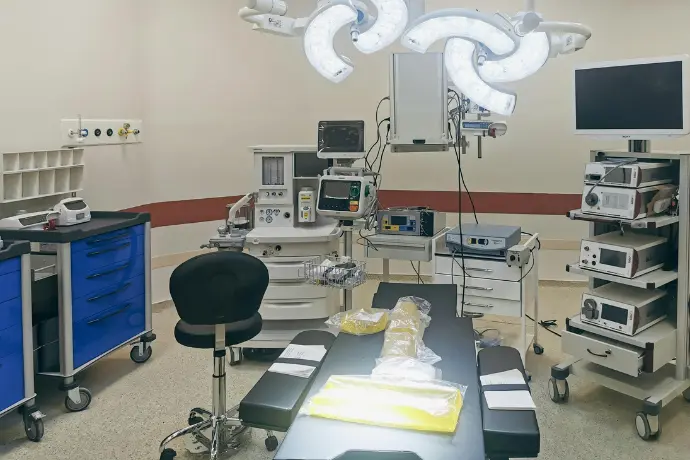
Operating rooms and surgical suites
Intraoperative monitoring of oxygenation, ventilation, and electrolytes during long procedures keeps anesthesia teams informed without sending runners to the lab. Cardiac surgery teams use serial lactate monitoring for perfusion assessment. The battery-operated Reader moves wherever the surgical team needs it.

Ambulatory surgery centers
ASCs need blood gas capability without the infrastructure of a full laboratory. The EPOC's room-temperature cards and simple operation mean any trained staff member can run the test. No dedicated lab tech required. No refrigerator taking up space. Just clinical capability when you need it.
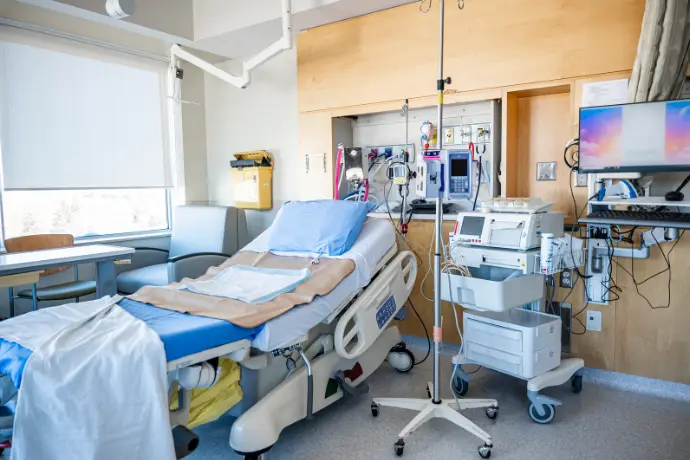
Critical access hospitals and rural facilities
Small hospitals can't justify a benchtop blood gas analyzer that requires daily maintenance and dedicated laboratory oversight. The EPOC provides 24/7 blood gas availability with minimal infrastructure. Room-temperature cards eliminate cold chain concerns in facilities with limited resources. Wireless connectivity enables remote quality management oversight.
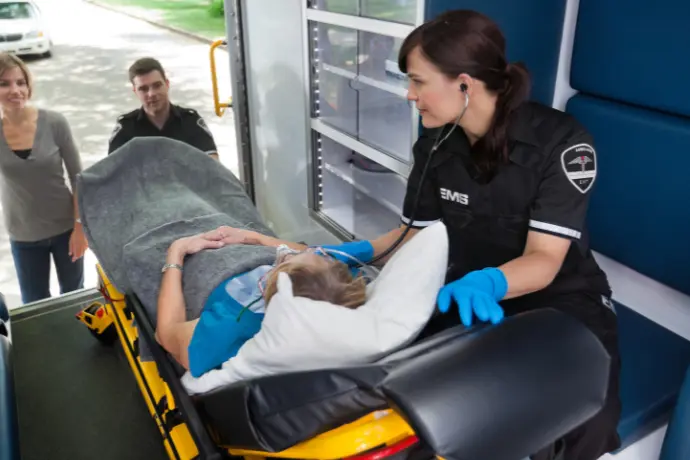
Transport and EMS
Battery operation and room-temperature cards make the EPOC viable for ambulance use. Critical patients get blood gas assessment en route rather than waiting for ED arrival. No refrigeration in the rig. No docking stations. Just results that travel with the patient.
Sell us your blood gas analyzer
Upgrading from a benchtop system? Consolidating POC devices? Your old blood gas equipment has value even if it's not running perfectly.
We buy all major blood gas platforms


Siemens
EPOC, RAPIDPoint, RAPIDLab series
Abbott
i-STAT systems
Roche
cobas b series
Your old analyzer becomes someone else's solution
That benchtop blood gas analyzer you're replacing? A smaller facility might run it for another decade. Even non-functional units have value for parts recovery.
We handle everything: evaluation, decontamination, removal, and logistics. Your trade-in credit applies directly to your EPOC purchase.
Still sending blood gases to the lab?
If you're currently transporting samples to a central laboratory or sending blood gases out entirely, you already know the pain points: sample degradation during transport, turnaround times measured in hours instead of minutes, and clinical decisions delayed while you wait for results.
Blood gases are time-sensitive. pO2 and pCO2 values start changing the moment blood leaves the patient. The longer the transport, the less reliable the result. And when you're managing a patient on a ventilator or working up metabolic acidosis, waiting 45 minutes for lab results means treating blind.
Why facilities move to bedside blood gas testing

Faster clinical decisions.
Faster clinical decisions.
Studies show POC blood gases enable treatment decisions 20+ minutes faster than central lab testing. For ventilator adjustments, sepsis protocols, and metabolic emergencies, that time matters.

No sample degradation.
Testing within seconds of the draw means you're measuring actual patient values, not what happened to the sample during transport.
 24/7 capability without 24/7 lab staffing.
The EPOC doesn't need a dedicated laboratory technologist. Trained nursing, respiratory therapy, or other clinical staff can run the test at 3 AM without calling anyone in.
 Lower total cost than you might expect
When you factor in send-out fees, STAT charges, and the clinical cost of delayed decisions, bedside testing often pays for itself quickly.
Why the EPOC makes the transition easier
The EPOC was designed for clinical staff, not laboratory technologists. Room-temperature card storage means no refrigerator in the unit. Automatic calibration means no daily QC procedures before patient testing. Wireless connectivity means results go directly to the chart without manual entry.
If your facility has avoided POC blood gas because benchtop analyzers seemed too complex or too maintenance-heavy, the EPOC is worth a look.
Frequently asked questions about the Siemens EPOC
Every refurbished EPOC includes the Host handheld, Reader, charger, and test cards to get you started. You'll have everything you need to begin testing once you complete your facility's validation process.
The Reader is the workhorse - it's built for years of continuous use. The Host is essentially a rugged handheld computer that lasts as long as you maintain the battery. With proper care, expect 5+ years of reliable operation from a refurbished system.
Yes. The Reader pairs with any compatible Host via Bluetooth. If you have working Readers and need a replacement Host, we can help with that configuration.
Yes. The BGEM Test Cards are identical for both the original EPOC and the NXS. Siemens continues manufacturing them. We stock them and can set up standing orders for your facility.
The analytical results are identical - same Reader, same test cards, same accuracy. The difference is the Host interface. The NXS runs Android with a higher-resolution screen. The original runs Windows Mobile. If your staff can use a smartphone from 2010, they can use the original EPOC.
Each test card includes sealed calibration fluid. The Reader automatically calibrates when you insert a card - about 2-3 minutes. No daily calibration procedures, no calibration gases, no manual intervention.
Arterial, venous, capillary, and cord blood - all with lithium or balanced heparin anticoagulation. The 92 µL sample volume works for adult and most pediatric draws.
The Host connects to your hospital Wi-Fi network. Results transmit directly to your HIS/EMR via HL7 protocol when testing completes. No docking station required. Configuration requires IT coordination during setup.
The EPOC stores results locally until connectivity is available. Results upload automatically when the Host reconnects. You don't lose data from Wi-Fi dead zones.
No. The EPOC is a moderate complexity test under CLIA. Your facility needs appropriate certification and personnel qualifications. This is true of all comprehensive blood gas analyzers.
Initial training takes about an hour for basic operation. The workflow is straightforward: insert card, wait for calibration prompt, introduce sample, read results. Competency assessment per your facility's POC program requirements.
Room temperature, 15-30°C. Keep in sealed pouches until use. Shelf life is up to 5 months from manufacture. No refrigeration required - this is a major advantage over competing systems.
The system validates the card during the calibration phase before you introduce sample. If a card is expired, damaged, or fails calibration, you'll know before wasting a blood draw.
The 92 µL sample volume is manageable for many neonatal draws, though the i-STAT's smaller volume cartridges (as low as 17 µL) may be preferred for extremely low birth weight infants. Evaluate based on your NICU's protocols.
Ready to bring blood gas testing to the bedside?
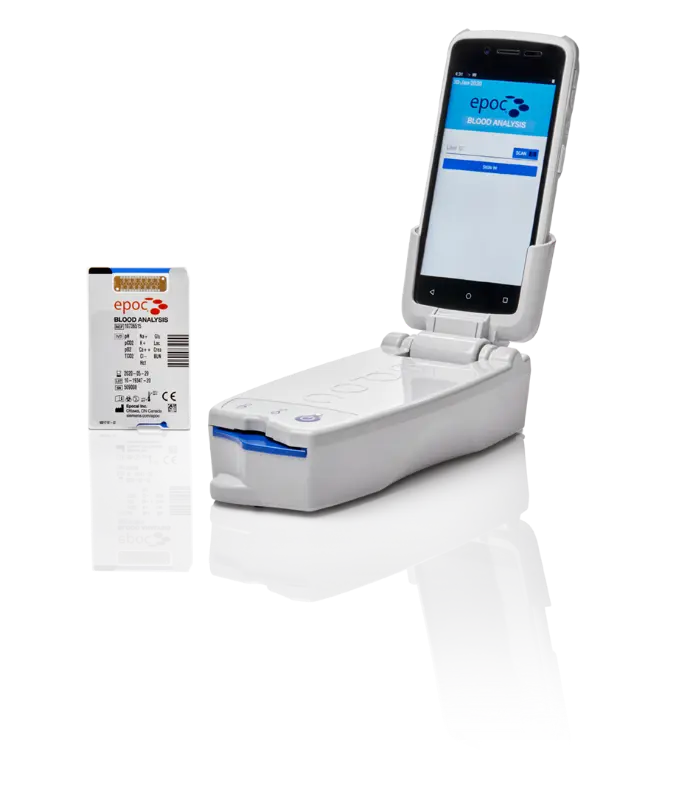
The Siemens EPOC delivers the clinical results your team needs - blood gases, electrolytes, metabolites, and hematocrit - in under a minute at the patient's side. No lab transport. No waiting. No transcription.
A refurbished original EPOC gives you that capability at a price that makes sense for your budget. Same test cards as the NXS. Same Reader. Same accuracy. Different impact on your capital budget.
Next steps:

Step 1.
Check our current EPOC inventory

Step 2.
Get test card pricing for your volume
Step 3.
Find out what your old blood gas analyzer is worth

Step 4.
Start testing at the bedside within weeks